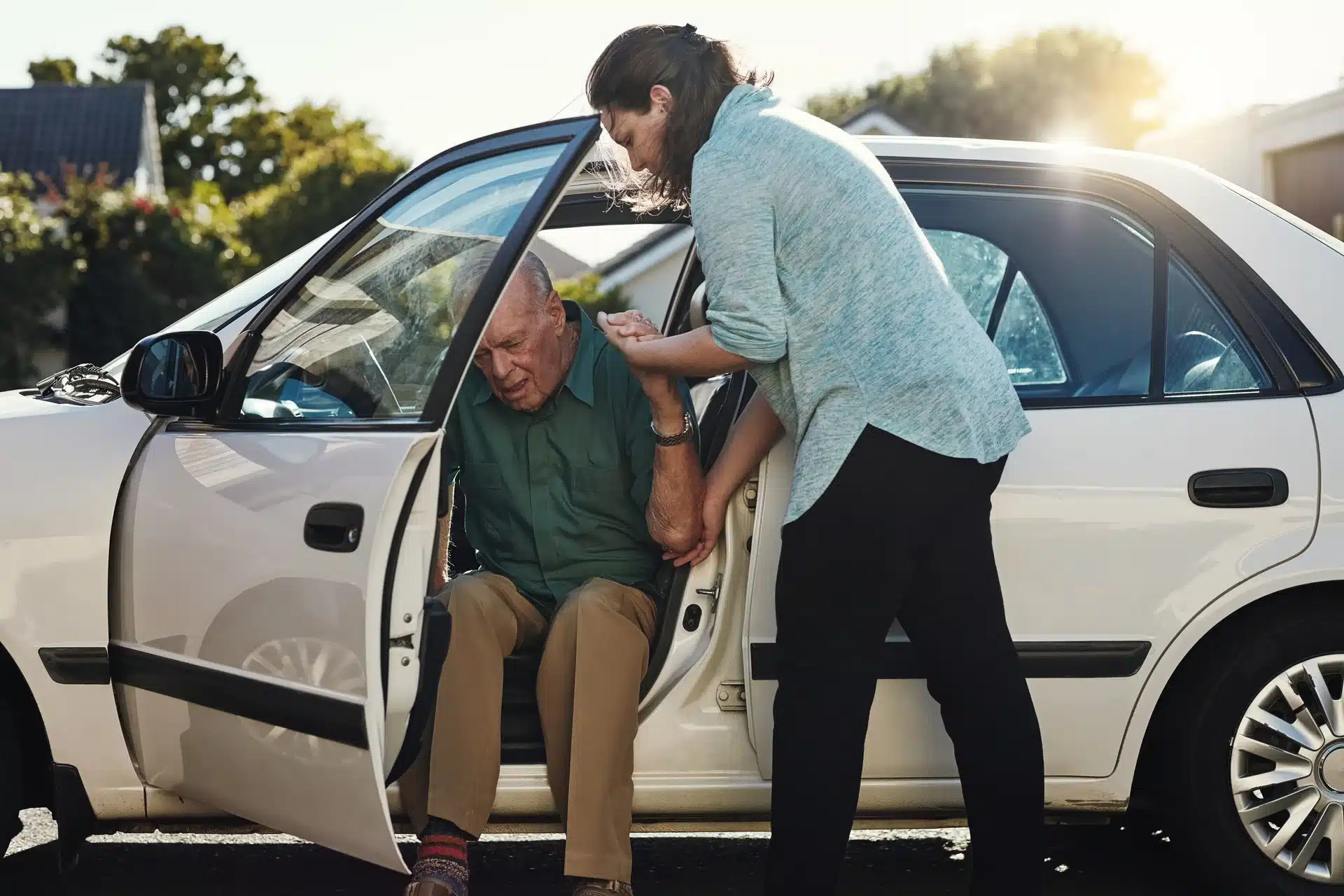
What Happens During MVA Rehabilitation After an Accident?
Getting into a car accident can leave you facing more than just damage to your vehicle, from whiplash and muscle strain to pain that lingers long after the initial shock fades.

Getting into a car accident can leave you facing more than just damage to your vehicle, from whiplash and muscle strain to pain that lingers long after the initial shock fades.

Workplace injuries affect thousands of Canadians every year, and many of them are entirely preventable. Whether you work in construction, healthcare, an office, or a warehouse, the physical demands of your job place real stress on your body every single day.

Sports injuries can affect how comfortably you move during daily activities and physical training. Whether the injury occurs while running, playing a team sport, or exercising, recovery often requires structured rehabilitation.

After a motor vehicle accident, neck stiffness often appears within hours or days. As a result, you might feel tightness when turning your head, looking down, or sitting for long periods.

Being involved in a car accident can leave you with many questions about your recovery and what steps to take next. Even minor collisions may lead to stiffness, soreness, or reduced mobility in the days that follow.

Being experienced in a motor vehicle accident can bring unexpected physical challenges. Even when injuries seem minor at first, the body may respond with stiffness, muscle tension, headaches, or reduced mobility in the days that follow.

Pain is one of the body’s most important warning signals, but it rarely feels the same for everyone. Some people describe it as a stabbing pain, others feel a burning pain, and many experience a throbbing pain that comes and goes.

Most of us have experienced the odd “pins and needles” feeling when we sit awkwardly or rest our arm in a funny position. But when numbness in hands or numbness in limbs happens more often, it can raise bigger questions.

Living with severe arthritis can make even simple tasks feel overwhelming, especially for older adults. The joint stiffness, swelling, and pain can limit mobility and impact quality of life. But here’s some good news: movement can help.

It’s also pretty common to feel a bit sore or tired afterward. In this post, we’ll walk you through what to expect during the healing process, why some soreness is completely normal, and how long it typically takes to start feeling the benefits of physiotherapy pain relief.