
What Happens During MVA Rehabilitation After an Accident?
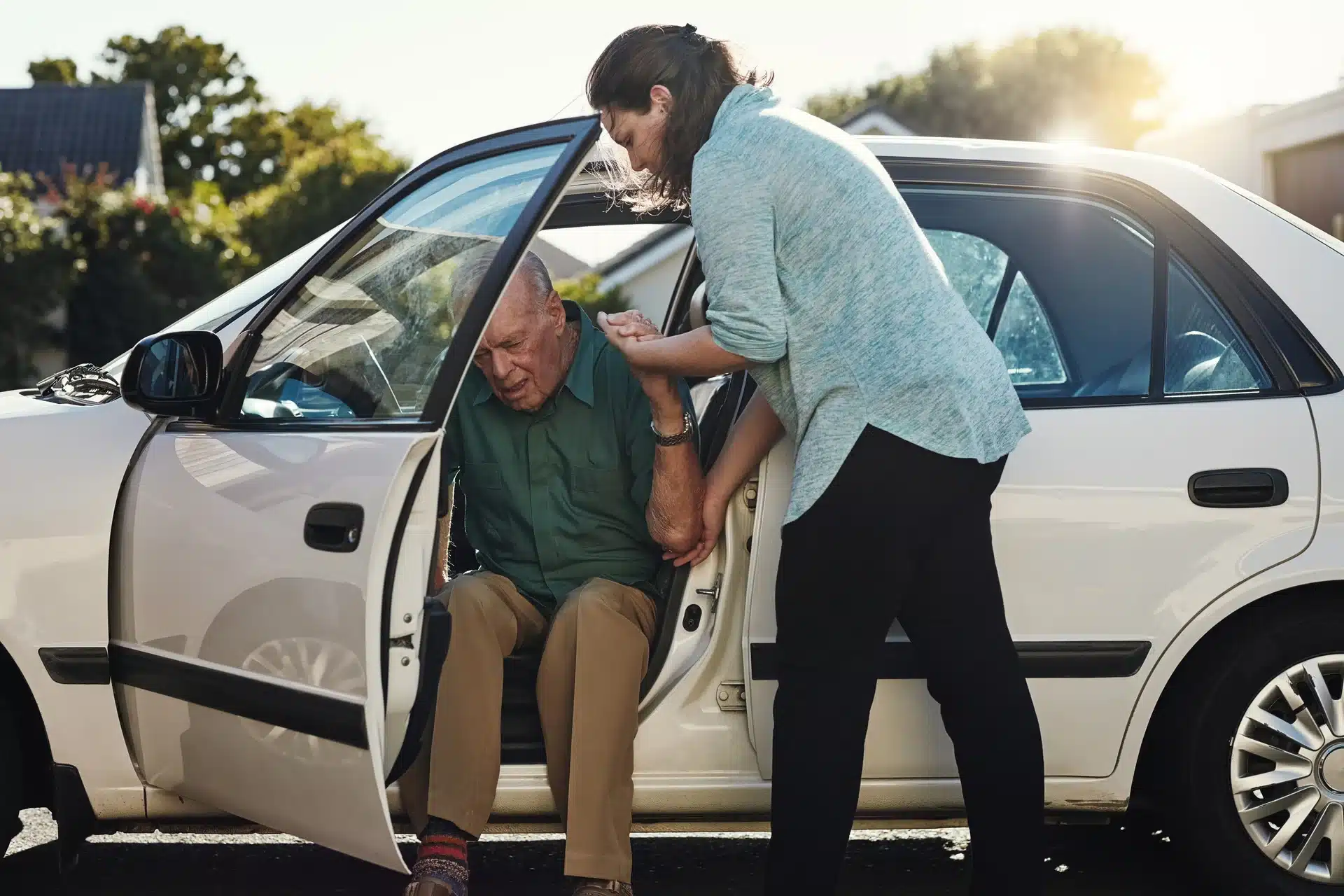
Getting into a car accident can leave you facing more than just damage to your vehicle, from whiplash and muscle strain to pain that lingers long after the initial shock fades. Even minor collisions can leave your body out of alignment, tight, or guarded in ways you don’t notice right away. That’s where structured recovery comes in, helping your body heal properly instead of just waiting for symptoms to fade on their own.
Through motor vehicle accident physiotherapy in Edmonton, our physiotherapists assess your injuries and build a plan to support your recovery. In this blog, we’ll walk through what MVA rehabilitation actually involves.
What Is MVA Rehabilitation?
MVA rehab refers to the process of recovering from injuries sustained in an accident, whether that’s whiplash, soft tissue strain, joint stiffness, or nerve-related symptoms. Accidents put sudden, unexpected force through your body, and even at low speeds, this can strain muscles, ligaments, and joints in ways that aren’t always obvious right away.
Because symptoms can take time to appear, getting assessed soon after an accident helps identify what’s affected before it turns into a longer-term problem.
I feel okay after my accident. Do I still need MVA rehabilitation?
Some symptoms may appear later after an accident. MVA rehabilitation can help identify movement issues early and support a smoother recovery.
Common Injuries After a Car Accident
Car accidents can affect the body in a lot of different ways, even ones that seem minor at first glance. Some of the most common injuries include:
- Whiplash and neck strain
- Lower back pain or stiffness
- Shoulder and upper back tension
- Headaches connected to neck or jaw tension
- Joint pain in the wrists, knees, or hips from bracing during impact
- Soft tissue bruising or swelling
These injuries don’t always follow the same timeline, which is part of why MVA rehab looks a little different for everyone.
Why am I feeling pain days after my car accident?
It is common for stiffness, muscle tension, or discomfort to appear later as your body responds to the impact. Physiotherapy can help manage these changes.
What Happens During Your First Physiotherapy Visit?
Your first visit after an accident is focused on understanding your concerns, your symptoms, and how the injury is affecting your daily life.
During your appointment, we may discuss:
- How the accident happened
- Areas where you feel discomfort
- Activities that have become difficult
- Changes in your movement
- Your goals for recovery
Our MVA physiotherapy in Edmonton also looks at how your body moves and identifies areas that may need attention. We create a care plan focused on improving mobility, reducing discomfort, and helping you get back to your regular activities.
With MVA rehabilitation, every recovery journey can look different because each person experiences an accident differently.
I’ve never had physiotherapy after an accident. What will happen during my first appointment?
We’ll discuss your accident, understand your concerns, look at your movement, and create a recovery plan based on your needs.
Treatment Techniques Used in MVA Rehabilitation
Following a motor vehicle accident, treatment can vary depending on your symptoms, affected areas, mobility, and recovery goals. As part of MVA rehabilitation, we may combine hands-on care, therapeutic exercises, supportive modalities, and movement education to help you gradually return to everyday activities.
Manual Therapy and Soft Tissue Techniques
Hands-on treatment can help address stiffness, restricted movement, and muscle tension following an accident. Depending on your needs, this may include:
- Joint mobilization: Uses controlled movements to help reduce joint stiffness and improve mobility.
- Soft tissue release: Helps ease tight muscles around areas affected by impact, such as the neck, shoulders, and back.
- Myofascial release: Addresses tension in the connective tissues that may restrict comfortable movement.
Therapeutic and Rehabilitation Exercises
Exercise is an important part of MVA rehabilitation because it helps you gradually rebuild mobility, strength, stability, and confidence. Your program may include:
- Neck and shoulder mobility exercises
- Core and back strengthening
- Postural exercises
- Balance and coordination activities
- Functional exercises for lifting, reaching, walking, or returning to work
- A personalized home exercise program
Modalities That May Support MVA Recovery
Alongside hands-on treatment and exercise, certain modalities may be included in car accident physiotherapy when they match your symptoms and treatment goals.
- TENS: Uses gentle electrical stimulation to help manage discomfort.
- Therapeutic ultrasound: May be used to address certain soft tissue concerns and support comfortable movement.
- Dry needling: Targets specific tight or sensitive muscle areas that may contribute to pain and restricted movement.
- Radial shockwave therapy: May be considered for certain persistent soft tissue or tendon-related concerns.
- Acupuncture: May be incorporated into the overall treatment plan to help with pain management and muscle relaxation.
Not every modality is appropriate for every accident-related concern, so we choose treatments according to your individual presentation and recovery stage.
Balance, Coordination, and Functional Training
If an accident has affected your balance, coordination, or confidence with movement, your rehabilitation may include exercises designed around everyday function. We may gradually work on walking, stairs, reaching, carrying, lifting, or other activities you need at home, work, or during recreation.
Posture and Ergonomic Guidance
Your sitting position, workstation setup, driving posture, and sleeping habits can influence how you feel during recovery. We can help you make practical adjustments that reduce unnecessary strain while your body is recovering.
Will I have to do exercises right away after my accident?
Your treatment plan depends on your symptoms and recovery stage. It may include gentle exercises, hands-on techniques, and other approaches to help you move comfortably.
Supporting Your Recovery Journey After a Car Accident
Getting back after a motor vehicle accident can feel challenging, especially when pain or stiffness affects your daily routine. The right support can help you understand your symptoms, improve movement, and work toward returning to the activities you enjoy.
At Family Physiotherapy, we provide personalized motor vehicle accident physiotherapy in Edmonton to help you manage discomfort and rebuild your strength. Whether you are dealing with neck pain, back discomfort, or mobility challenges, our team is here to support your recovery journey.
Contact Family Physiotherapy today and take the next step toward feeling stronger, moving comfortably, and getting back to your everyday life.
Author Bio:
With more than 20 years of physiotherapy experience, Vijay Kulasekaran supports patients recovering from motor vehicle accident injuries through a combination of manual therapy, exercises, and movement education. His approach focuses on helping individuals improve mobility, manage discomfort, and regain confidence during their recovery journey.
Watch Our Videos:
Frequently Asked Questions
1. What is MVA rehabilitation?
MVA rehabilitation is a recovery process designed to help people manage injuries and movement challenges after a motor vehicle accident. It may include exercises, hands-on techniques, and guidance to support recovery.
2. How soon should I start physiotherapy after a car accident?
Starting physiotherapy sooner can help you understand your symptoms and begin working on mobility and recovery strategies. The right timing depends on your individual situation.
3. What injuries can motor vehicle accident physiotherapy help with?
Motor vehicle accident physiotherapy may help with concerns such as whiplash, neck pain, back pain, muscle strain, stiffness, reduced mobility, and soft tissue injuries.
4. How does motor vehicle accident physiotherapy in Edmonton help after an accident?
Motor vehicle accident physiotherapy in Edmonton focuses on improving movement, managing discomfort, rebuilding strength, and helping you return to your daily activities.
5. What happens during MVA physiotherapy sessions?
MVA physiotherapy sessions may include movement exercises, manual therapy, education, and supportive techniques based on your symptoms and recovery goals.
6. Can physiotherapy help with whiplash after a car accident?
Yes, physiotherapy can help address neck stiffness, reduced mobility, and muscle tension commonly associated with whiplash injuries.
7. How long does MVA rehabilitation take?
Recovery time varies depending on the type of injury, symptoms, activity level, and how your body responds to treatment.
8. What exercises are included in MVA rehab?
MVA rehab exercises may include mobility exercises, strengthening exercises, posture exercises, balance training, and functional movements that support daily activities.
9. Are treatments like dry needling or acupuncture used in MVA rehabilitation?
Some people may benefit from supportive techniques like dry needling or acupuncture as part of their overall rehabilitation plan, depending on their needs.
10. Can I return to work and normal activities after MVA rehabilitation?
Yes, the goal of MVA rehabilitation is to help you gradually improve movement, strength, and confidence so you can safely return to your activities.


